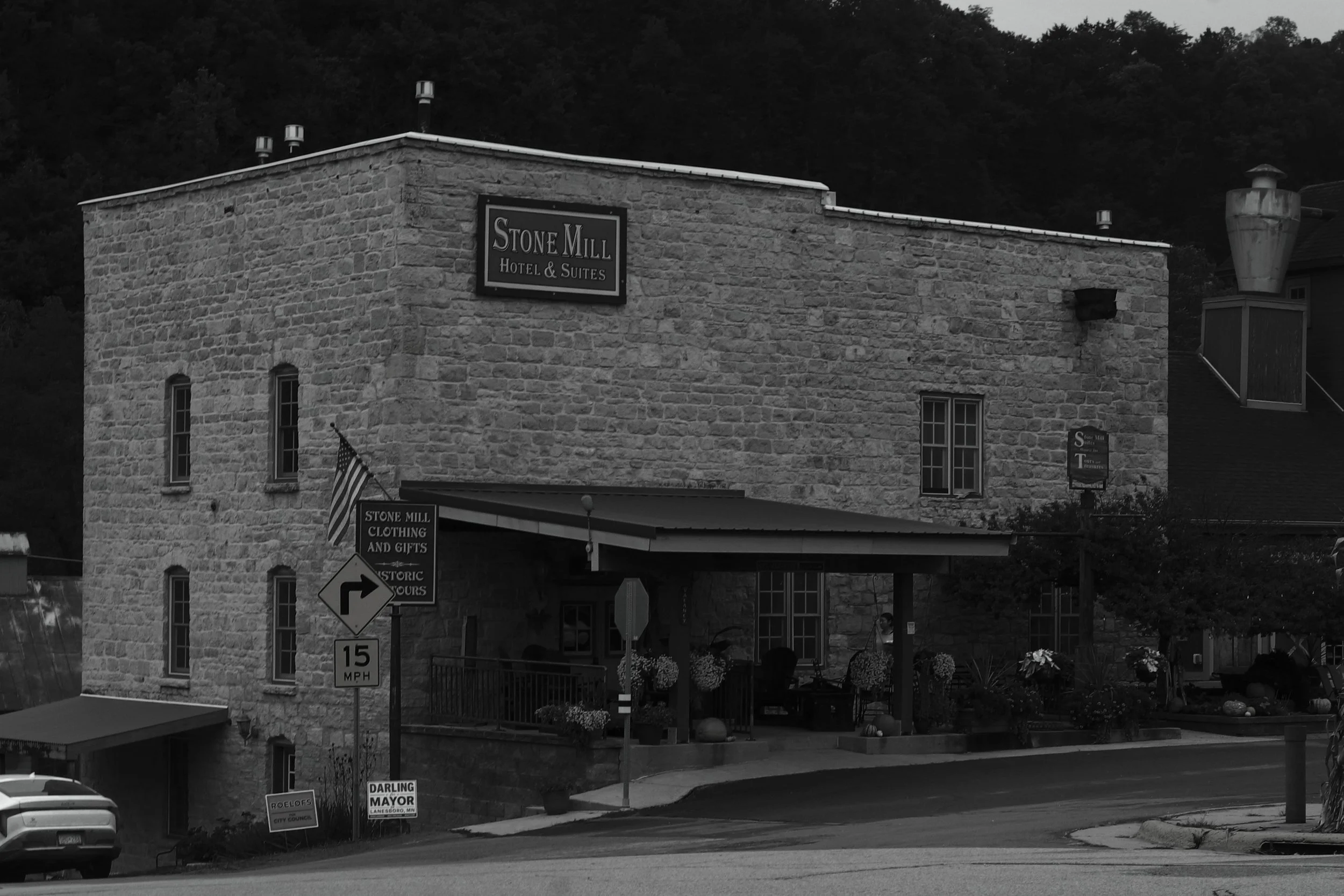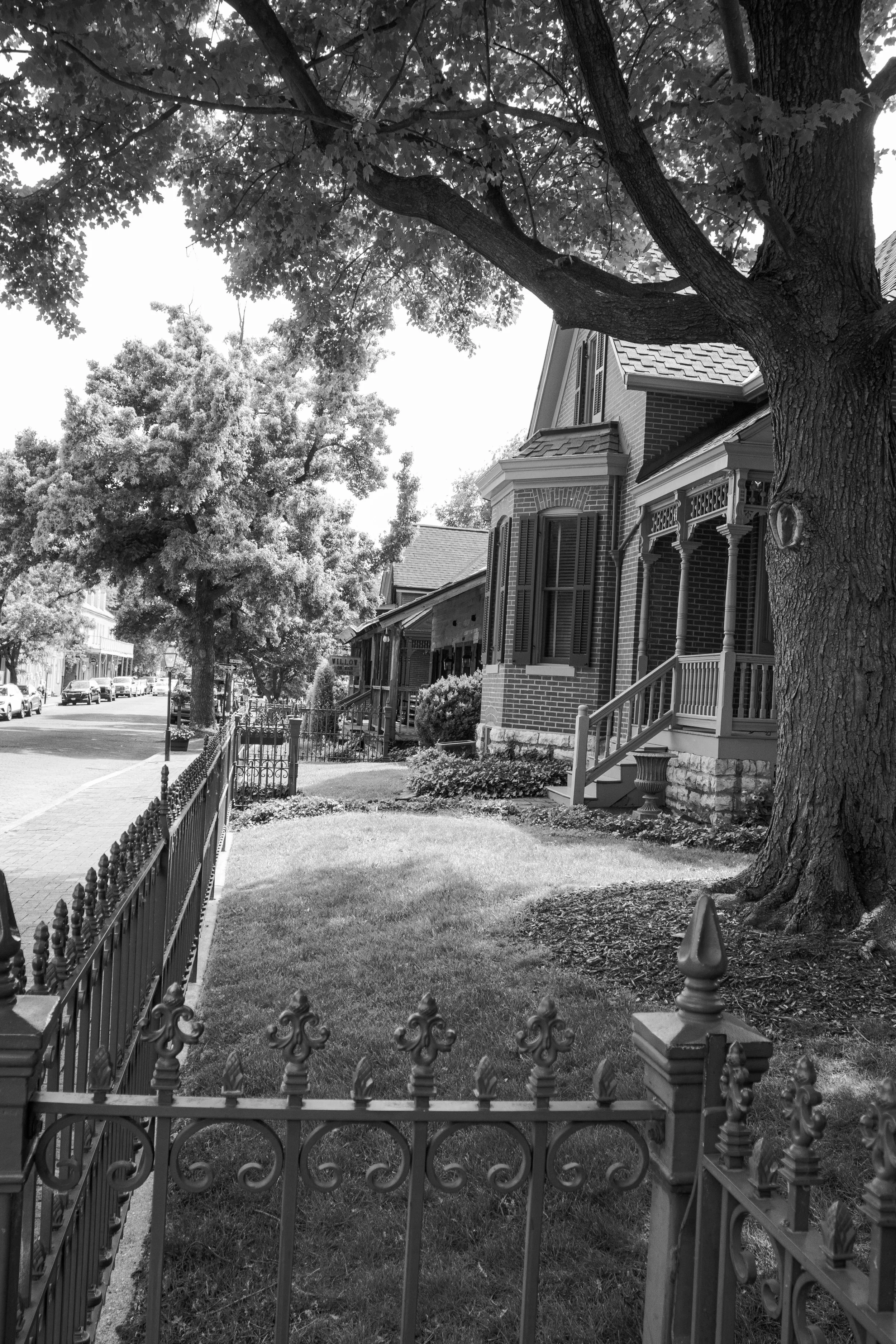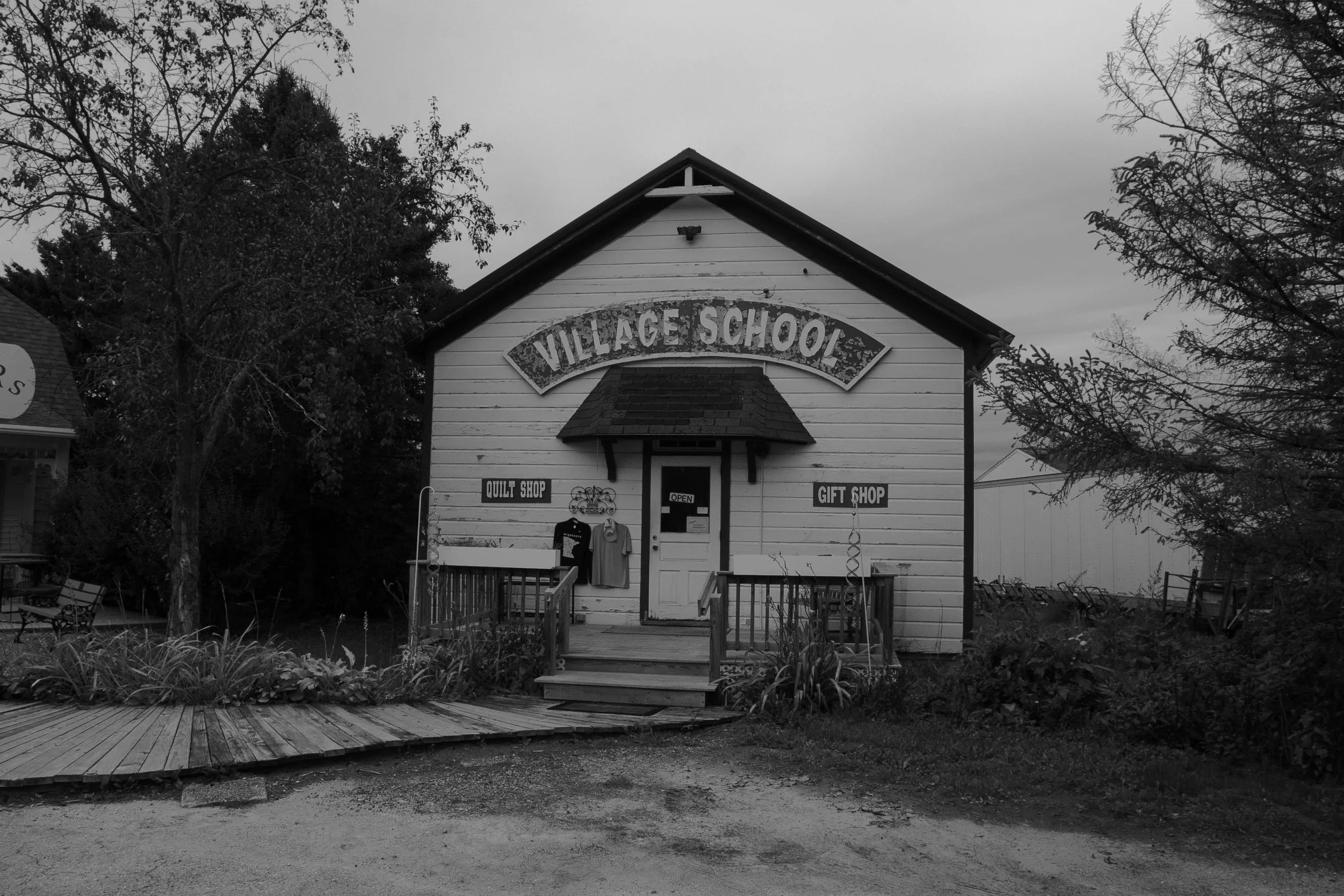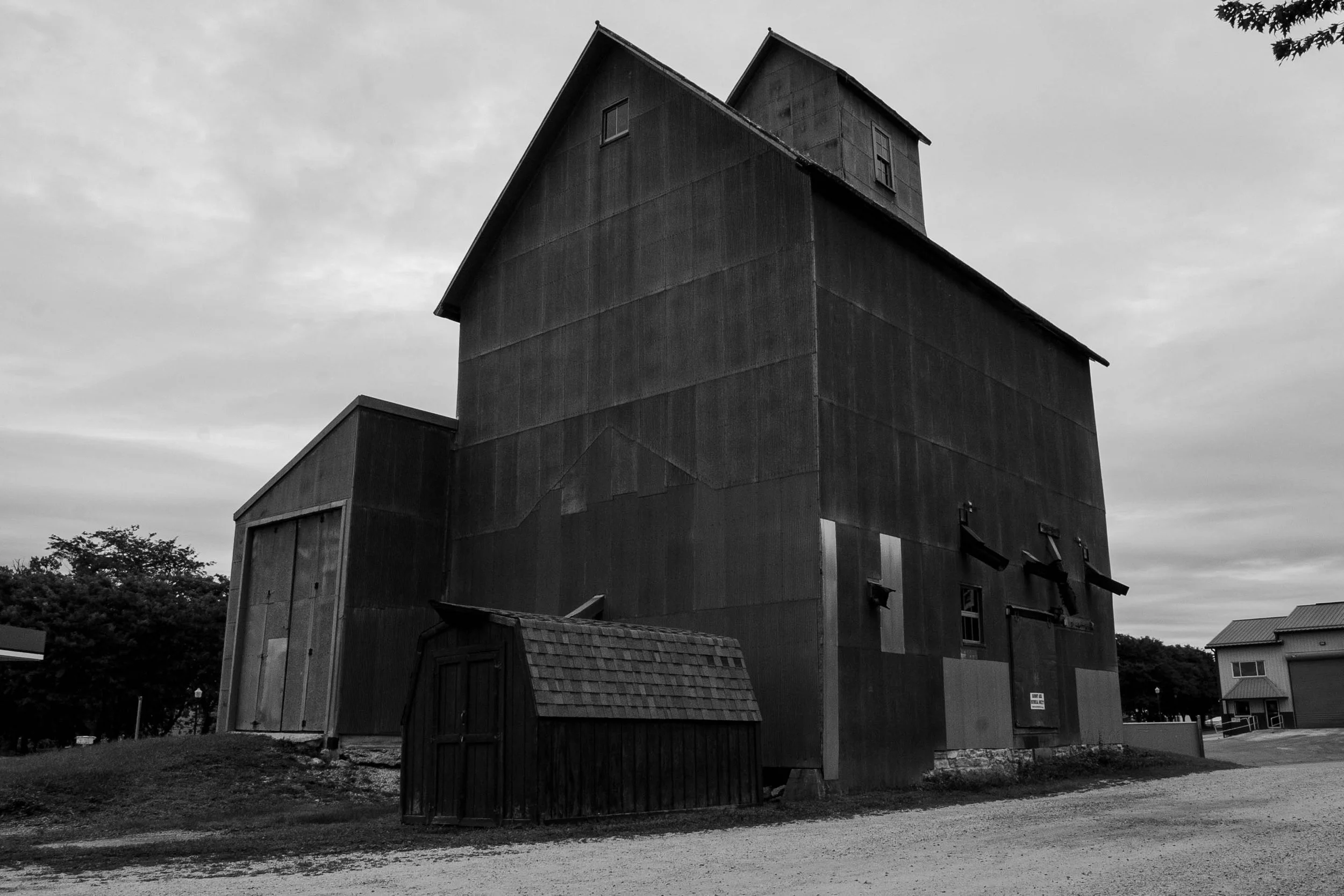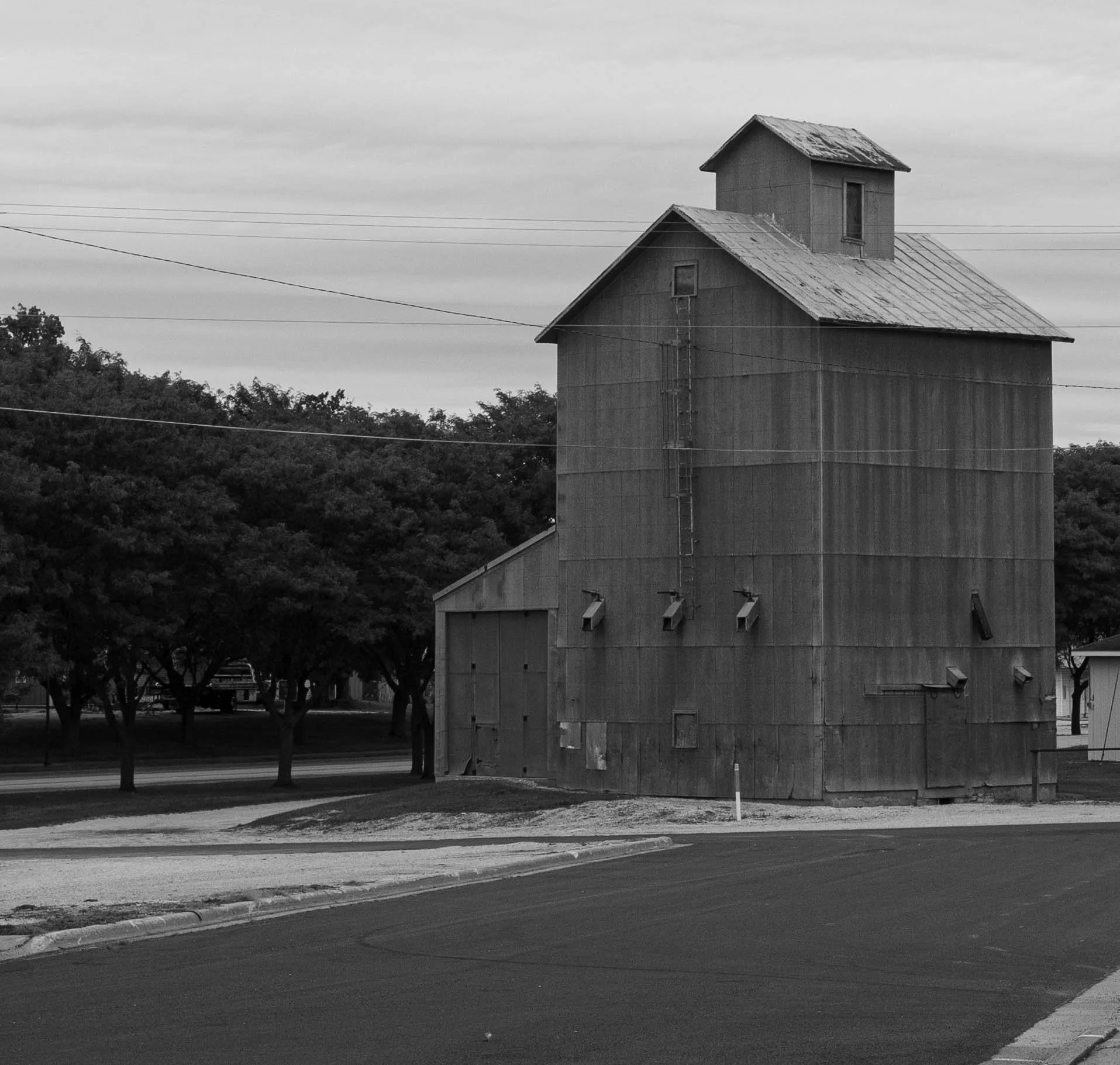
They walk among us.
Those words usually belong to ghost stories—tales of people long gone and things unseen. But perhaps the same can be said of places.
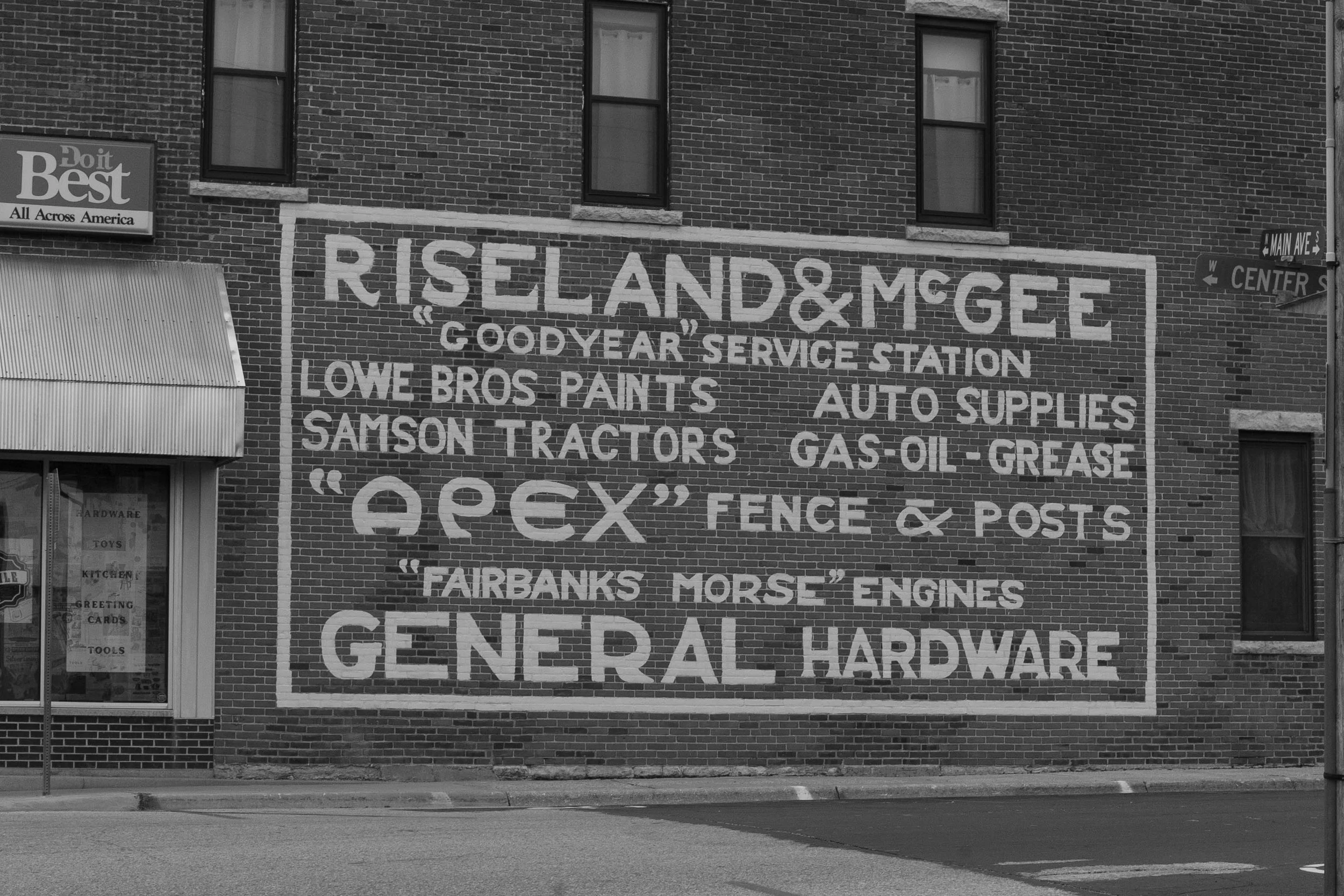
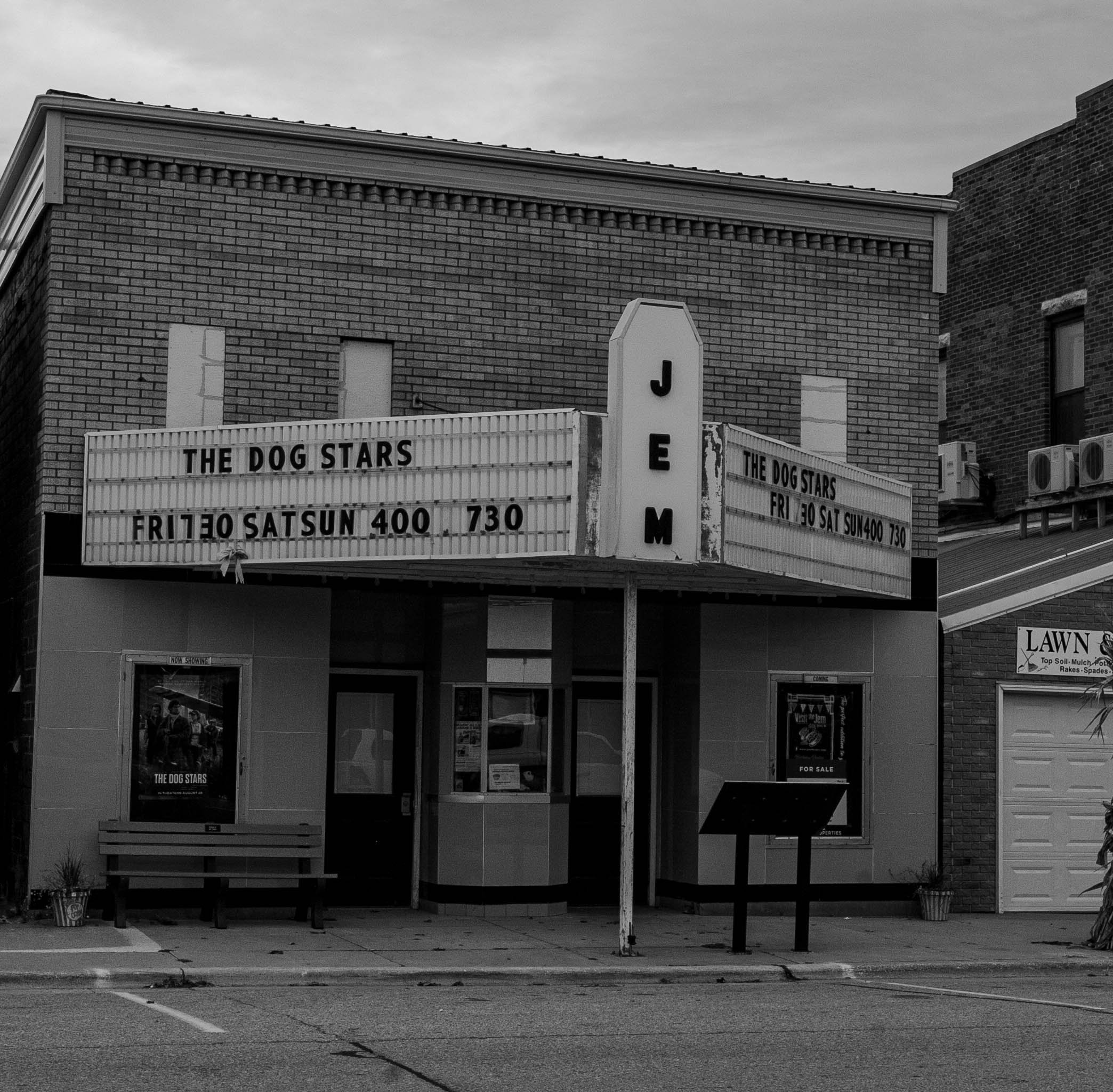
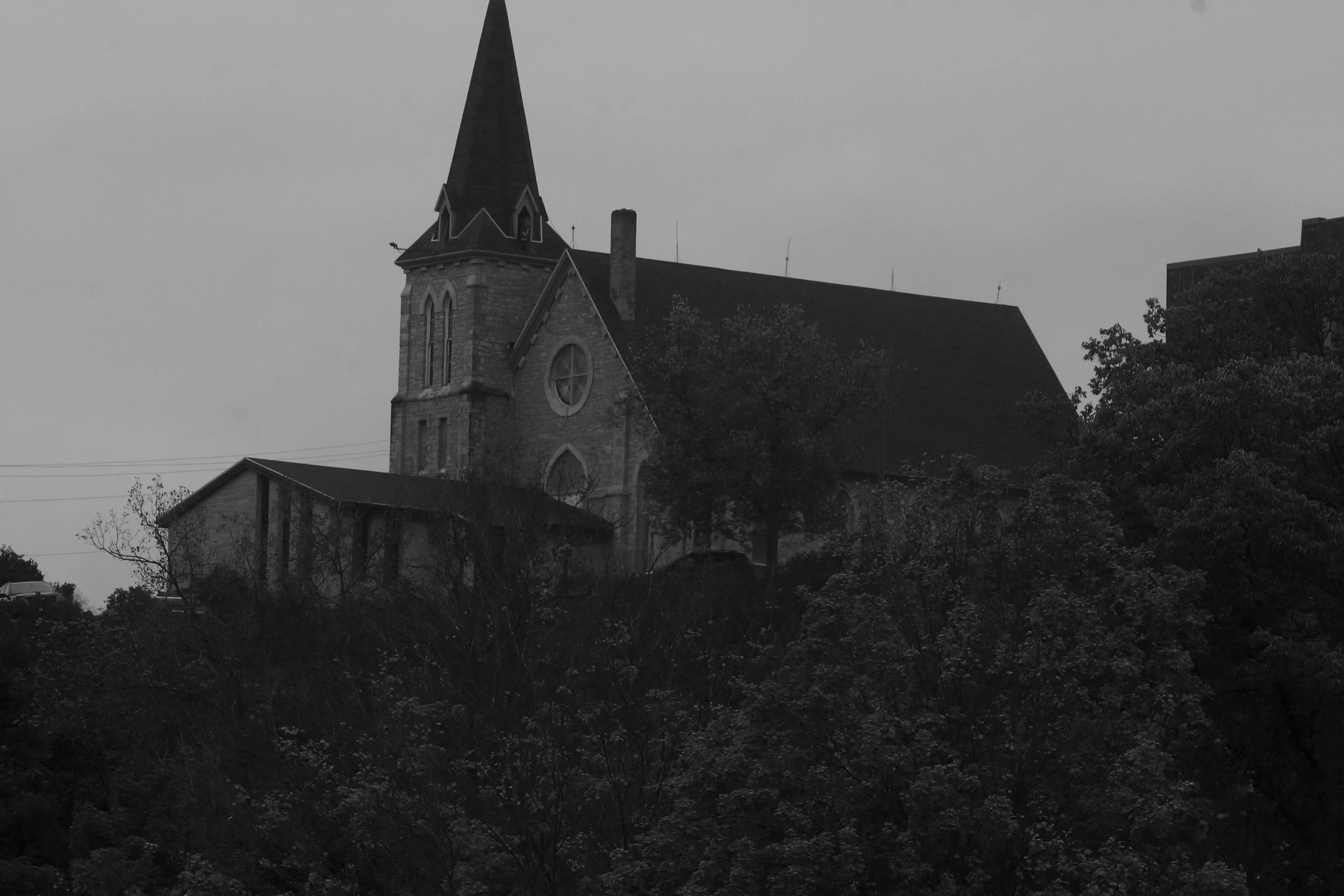
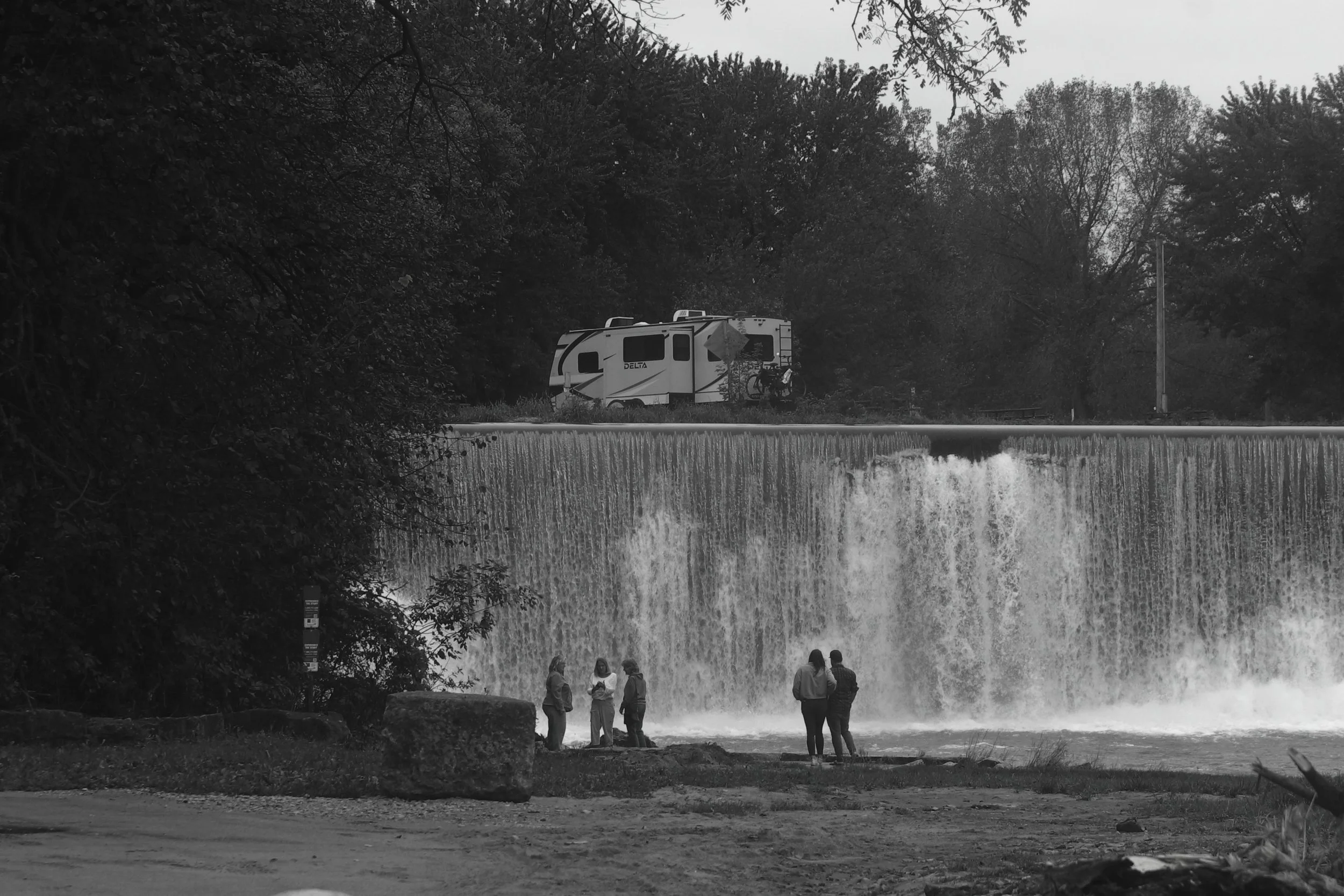
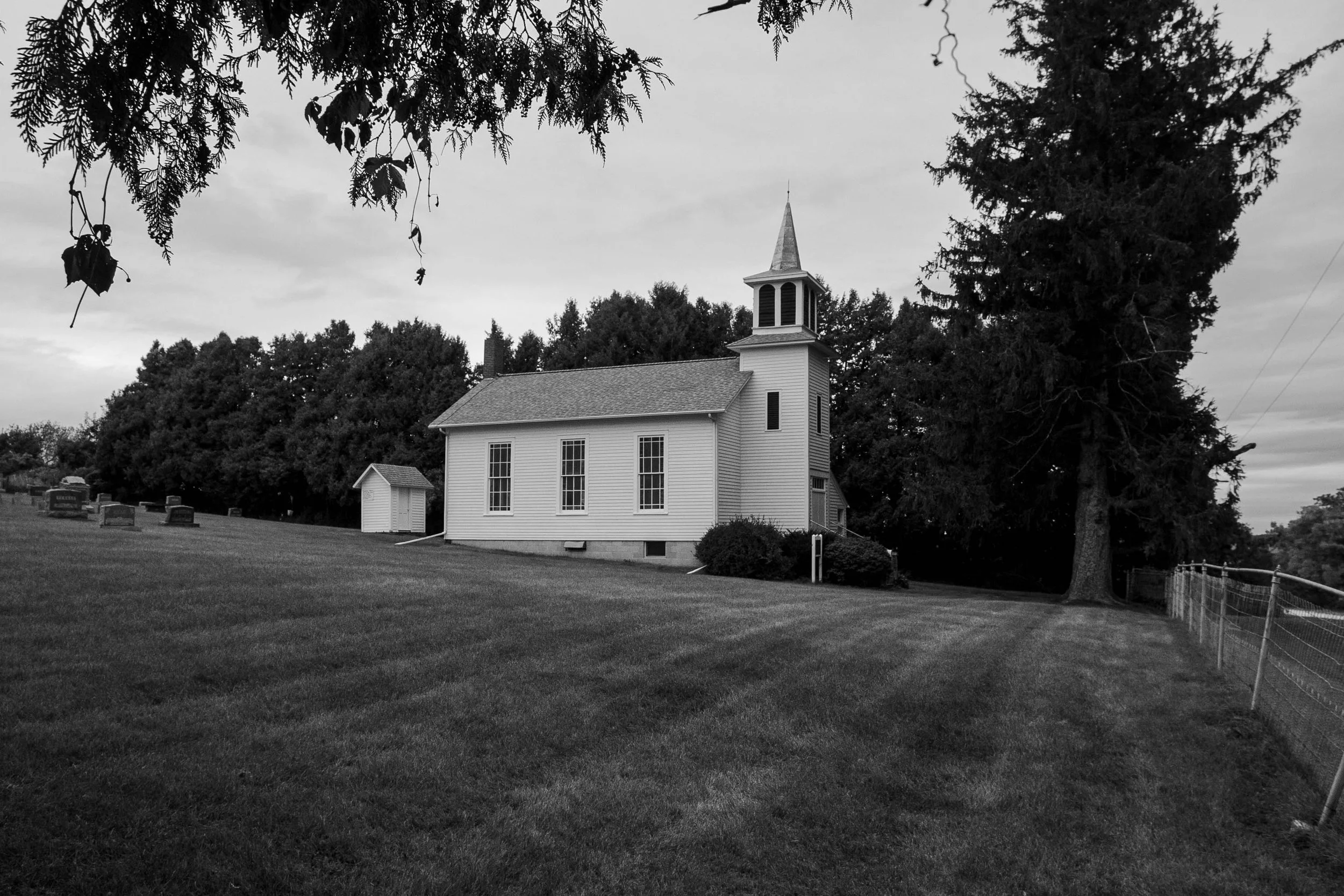
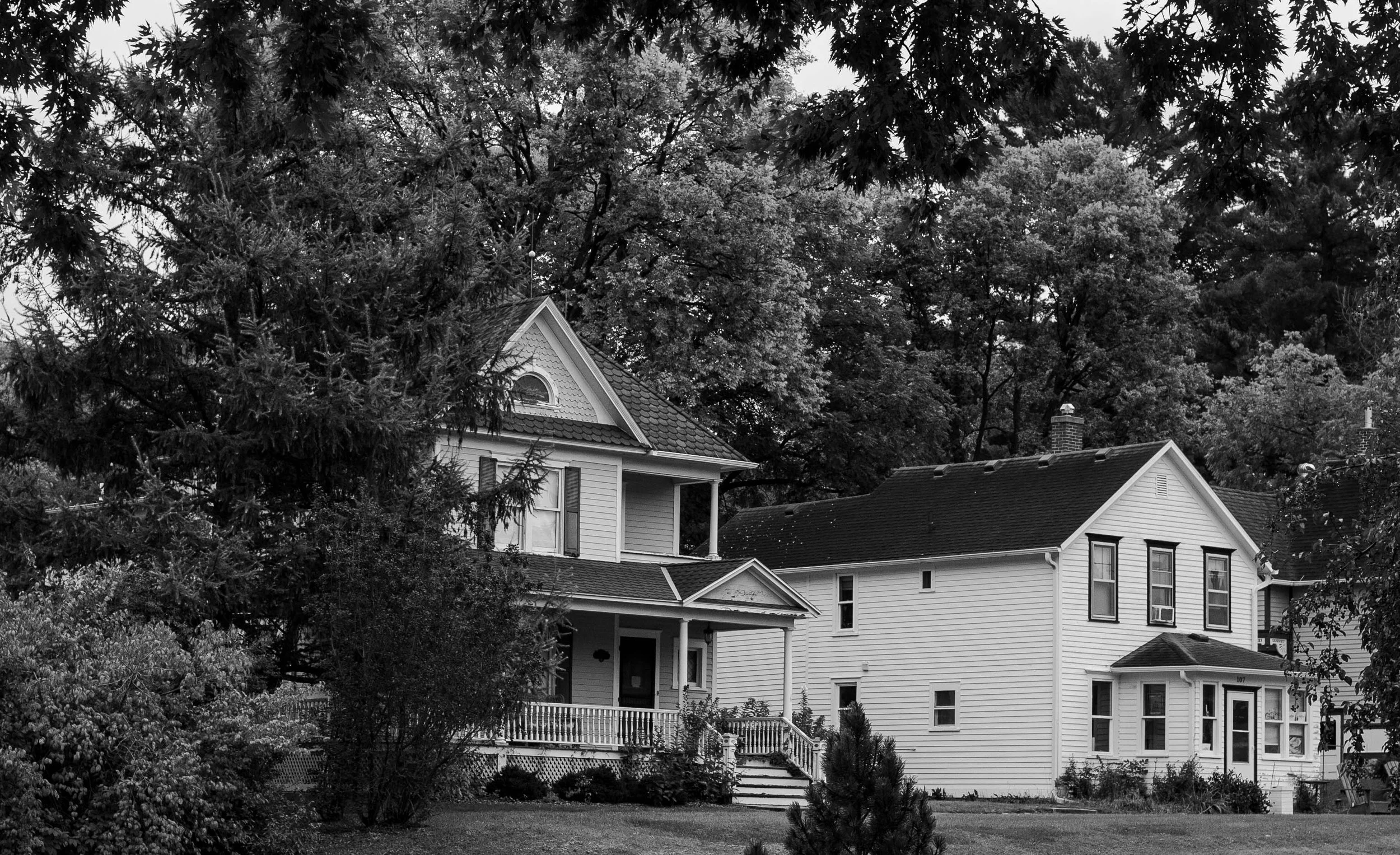
Travel into the limestone bluffs and winding valleys of southeastern Minnesota and you will find Lanesboro, tucked along the Root River. The town was shaped in the nineteenth century by water, grain, and steel. The river powered the mills. Trains came and went. Farmers brought grain into town. Merchants opened shops beneath brick storefronts. Churches rose above the rooftops, and families-built homes along the hillsides.
Much of that world is gone now.
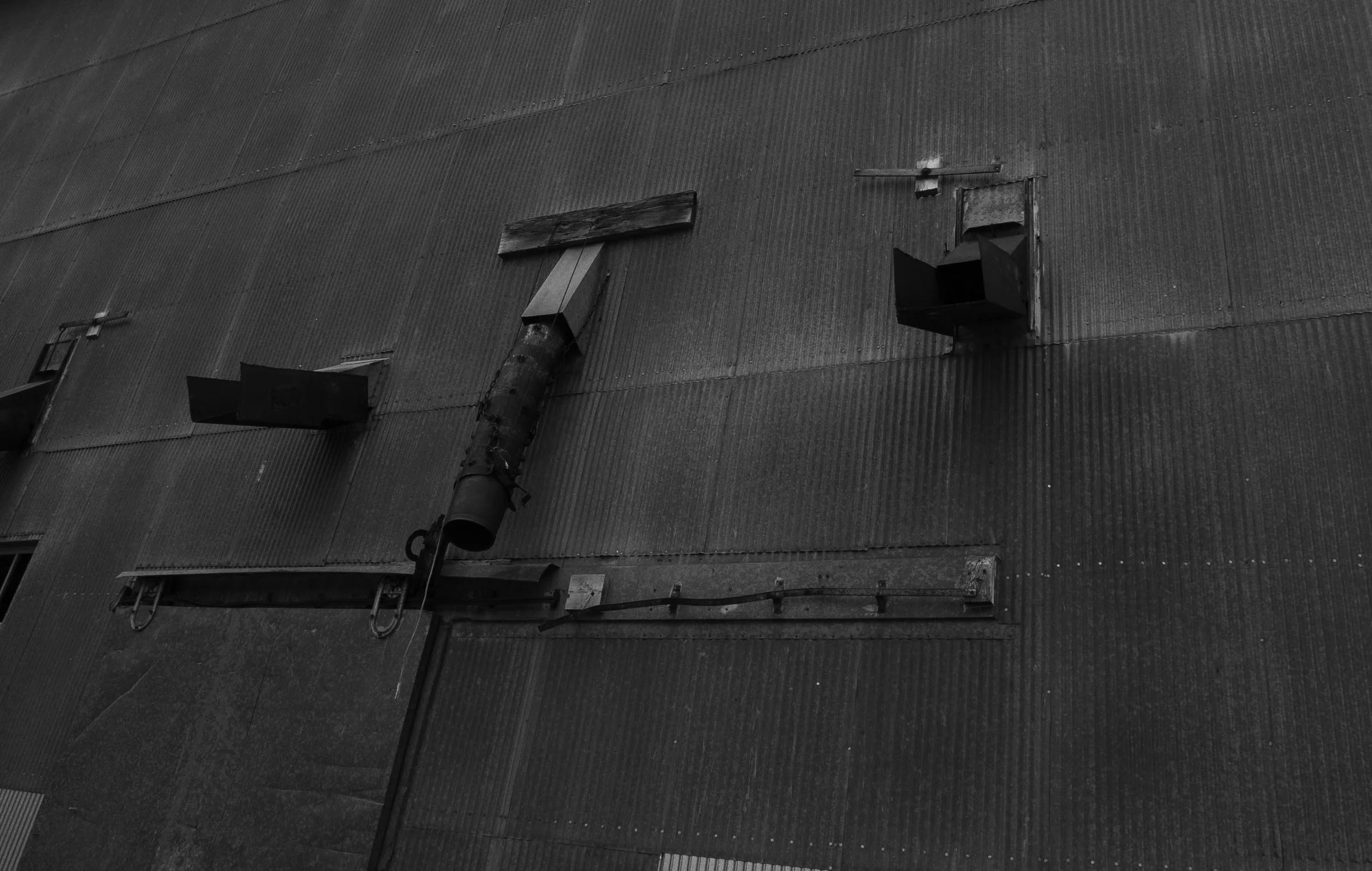
The flour mills have fallen silent. The railroad no longer carries passengers and freight through town. Horse-drawn wagons have disappeared from the streets, and smoke no longer curls regularly from wood- and coal-fired stoves.
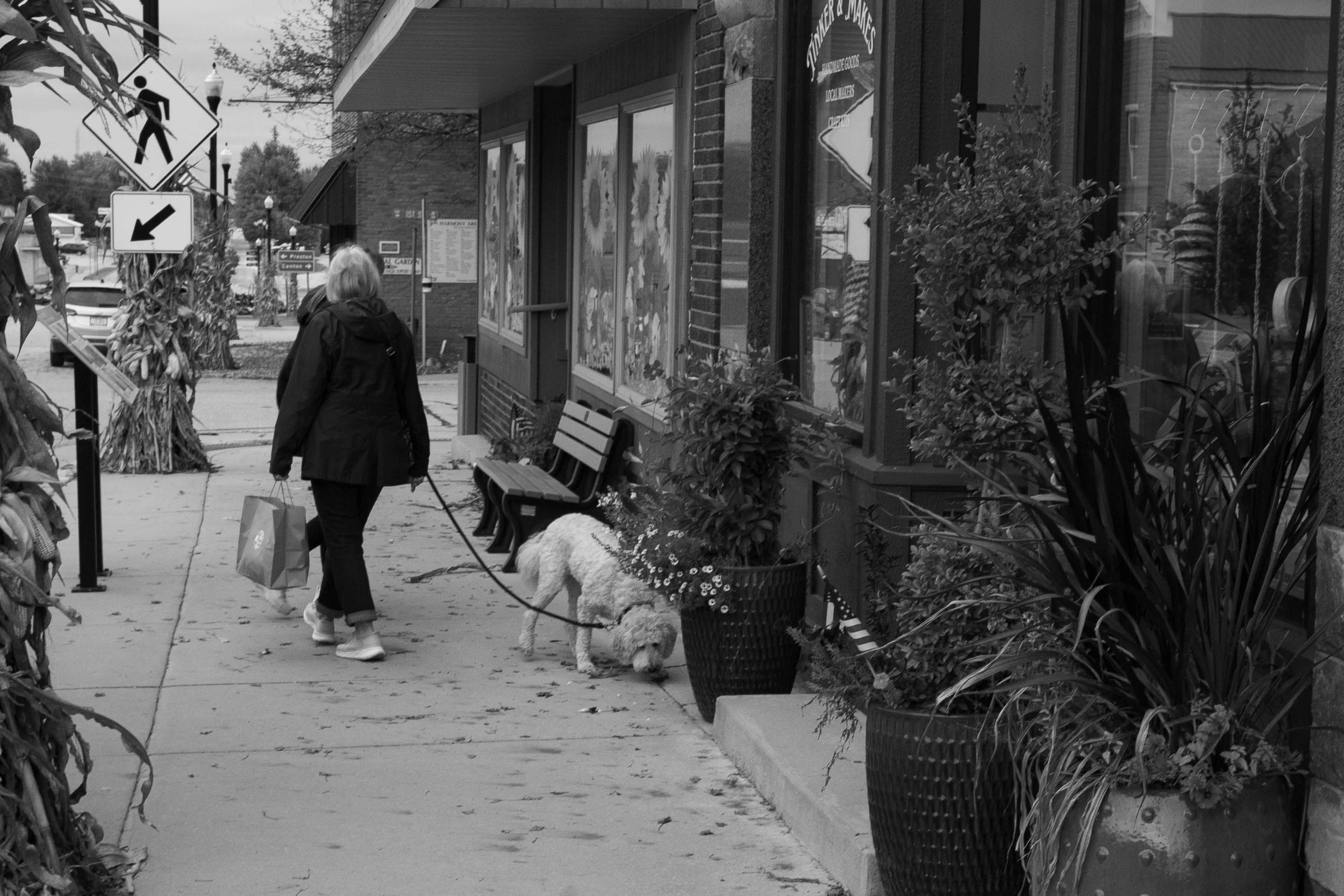
Today, people come to Lanesboro for different reasons—for the arts, the river, the trails, the scenery, and the quiet beauty of the bluffs.
Yet the old town has never entirely left.
Stand quietly for a moment.
Listen.
Perhaps you can hear the distant machinery of a flour mill coming to life.
Perhaps the rush of the Root River becomes the turning of a great waterwheel.
On a cool morning, you can almost imagine the smell of wood smoke and coal hanging between the buildings, then rising slowly above the rooftops like balloons into a clear Minnesota sky.
Walk past an old storefront, a weathered industrial building, a church, or a house shaded by trees, and suddenly the distance between then and now does not seem quite so great.
The people who built this town are gone, but not all of their stories disappeared with them. Their descendants still live here, work here, raise families here, and continue to call Lanesboro home.
The past survives not only in brick, stone, wood, and water, but in the generations that came after.
And in that way—
they walk among us.